Iktara is a song about the heart asking a question it cannot answer — and the one-stringed folk instrument at its centre is the perfect symbol for that solitary search. Here is what Iktara means and why it still moves people more than fifteen years after its release.
What Does "Iktara" Mean?
Iktara (also written ektara) is a traditional one-stringed instrument played by wandering folk musicians and saints across India and Bangladesh. A single taut string stretched over a gourd — one note, one voice, one question. In the song, the iktara becomes a metaphor for the lone voice inside that keeps asking: why am I here, why do I feel this way, what is it that binds two people together? The instrument names the song's emotional register: simple, bare, and searching.
Key Words and Their Meaning
Several images in the song deserve a closer look because their beauty lies in plainness:
"Main kyun hoon" — literally "why am I" — is the most naked existential question the language offers. Not who am I or what am I, but why. It is the question of someone newly awake to the fact that they exist, that they feel, that another person has made them aware of both.
The song uses the moon asking the stars why they stayed up all night, and the sky asking the earth why it cried — classical poetic devices where nature mirrors the lover's confusion. The celestial bodies cannot answer each other any better than the heart can answer itself.
"Tum ho toh main hoon" — "if you are, then I am" — is the song's quiet resolution. The answer to why am I turns out to be: because you are. Identity and existence hinge on the other person. That is the emotional discovery the whole song builds toward.
The Film, the Voices, and the Context
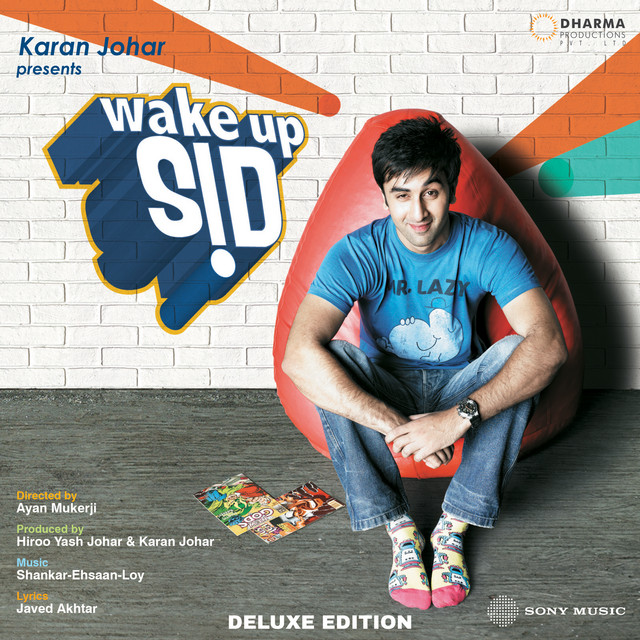
Iktara was composed by Amit Trivedi with lyrics by Amitabh Bhattacharya and sung with rare warmth by Kavita Seth for the 2009 film Wake Up Sid, directed by Ayan Mukerji. The film follows Sid — a directionless, privileged young man in Mumbai — as he slowly discovers purpose through friendship and an understated, growing connection with someone who already knows who she is.
Iktara arrives at a moment when Sid is somewhere between confusion and dawning clarity, which is exactly the emotional register the song occupies: not heartbreak, not joy, but the trembling moment just before you understand what you feel.
Kavita Seth's voice carries no artifice. It sounds like someone genuinely puzzling something out in real time. That sincerity is the reason the song outlasted the film's release and became a quiet anthem for a generation of young urban Indians navigating identity and love for the first time.
The production bridges classical Indian string textures with the indie Bollywood sound that Amit Trivedi was beginning to define at the time. The iktara is not decorative — it is the whole spine of the arrangement, with everything else folded gently around it. A one-stringed instrument makes one sound. In that limitation is its whole philosophy: you do not need complexity to speak the truth.
What the Song Is Really About
Iktara is often categorised as a love song, and it is, but it is more precisely a song about the experience of becoming aware that you love. The protagonist is not confessing, not pursuing — they are sitting with the strange feeling that someone else's existence has given their own a shape it did not have before.
That is why the iktara is the right symbol. A string vibrates because something strikes it. The heart asks "why am I?" because something — someone — has set it in motion.
For anyone learning Hindi, the song is also a patient teacher. Its vocabulary is spare and conversational — moon, stars, earth, sky, heart, you, I. No difficult Urdu borrowings, no ornate classical references. Just the plainest words carrying the fullest feeling.
Read the Full Lyrics and Translation
For the complete original Hindi lyrics, a line-by-line English translation, and more context on the song's imagery, visit the Iktara lyrics and meaning page. Reading along while the song plays is the best way to feel where the questions rise and where they quietly settle.
Explore More Hindi Song Meanings
For the vocabulary behind songs like this one — words like dil, ruh, aarzoo, and iktara — see our guide to common Hindi and Urdu words in Bollywood songs. And for more meanings, translations, and context across the catalog, browse the full lyrics library.