Aaoge Jab Tum — Meaning & Song Guide
by Rashid Khan, Sandesh Shandilya, Faaiz Anwar
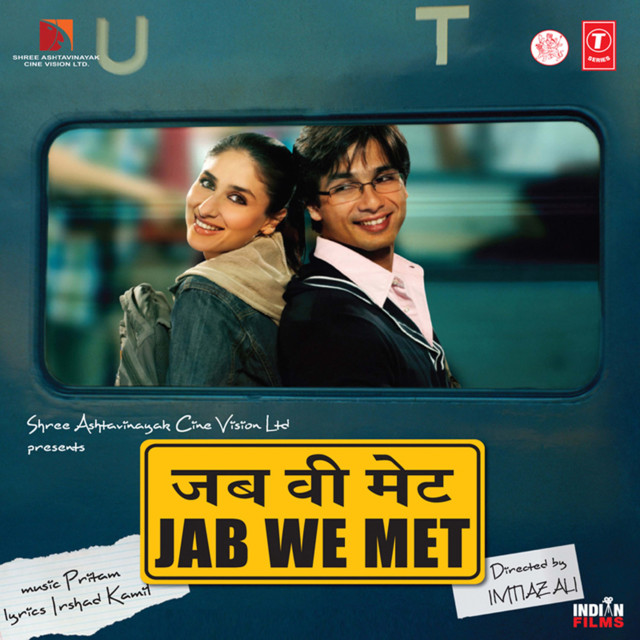
Jab We Met · 2007-09-21
Last updated: May 2026
What is “Aaoge Jab Tum” about?
“Aaoge Jab Tum” is a romantic song in Hindi by Rashid Khan, Sandesh Shandilya, Faaiz Anwar (Jab We Met, 2007-09-21). The title Aaoge Jab Tum translates conceptually around the prospect of someone's arrival, pointing to themes of anticipation and longing. Read what the song is about below, or stream it on Spotify and YouTube Music.
From this site's own artist — a romantic original by Married Moonda
What “Aaoge Jab Tum” is about
This Hindi track was released on September 21, 2007, as part of the album Jab We Met. It credits Rashid Khan, Sandesh Shandilya, and Faaiz Anwar for its creation. The work suits attentive listening occasions that call for traditional vocal performance and nuanced instrumental arrangement.
This is an original commentary page. We don't publish the lyrics of songs we don't own — listen to “Aaoge Jab Tum” on Spotify for the official recording.
Discover Married Moonda
Liked this song? This site's own artist — Married Moonda — has 100+ original songs. Tap any to play free, right here.
More originals
Like what you hear? Follow on Spotify — every new song lands straight in your Release Radar, and a follow helps more listeners find the music.
Follow on SpotifyRomantic Hindi Songs 2026 ❤️ Pyar Ke Gaane
Pyaar ke gaane that actually hit — new and classic, mixed weekly. Hit follow and more Hindi songs like this one land in your library automatically — no cost, no app switch.
Follow on SpotifyMeaning & Story Behind “Aaoge Jab Tum”
The title Aaoge Jab Tum translates conceptually around the prospect of someone's arrival, pointing to themes of anticipation and longing. As a phrase, it suggests a reflective state of mind where presence and absence are weighed. A listener would likely come to this piece for its contemplative and emotionally resonant atmosphere. The mood evoked by the title centers on yearning and the quiet weight of expectation.
“Aaoge Jab Tum” — release facts
Length
5:55
Format
Album track #6 of 10
Released
2007-09-21
Spotify popularity
69/100 (2026-10-09)
Explicit
No
ISRC
INS180705987
- Rashid Khan — 194K Spotify followers; sufi, ghazal, qawwali
- Sandesh Shandilya — 1.7M Spotify followers; bollywood
- Faaiz Anwar — 2K Spotify followers; sufi, ghazal
Listening notes
Track 6 of a ten-track album from September 2007, Aaoge Jab Tum runs 5:55. Rashid Khan and Faaiz Anwar are tagged sufi and ghazal, with qawwali also on Khan's list, and Sandesh Shandilya is tagged bollywood, so the tags suggest a ghazal- and sufi-leaning piece. The romantic mood suits a waiting-for-someone evening. The title is about the moment you arrive, and the guide reads it as anticipation and longing. Skip it if you want a short, bright song.
Facts from Spotify's public catalogue on 2026-10-09. Popularity is Spotify's own 0–100 score at that date and moves daily.
FAQs About “Aaoge Jab Tum”
What is the meaning of “Aaoge Jab Tum”?
The title Aaoge Jab Tum translates conceptually around the prospect of someone's arrival, pointing to themes of anticipation and longing. As a phrase, it suggests a reflective state of mind where presence and absence are weighed. A listener would likely come to this piece for its contemplative and emotionally resonant atmosphere. The mood evoked by the title centers on yearning and the quiet weight of expectation.
Where can I listen to “Aaoge Jab Tum”?
Stream “Aaoge Jab Tum” by Rashid Khan, Sandesh Shandilya, Faaiz Anwar on Spotify, YouTube Music, Apple Music, and other platforms.
What language is “Aaoge Jab Tum” in?
“Aaoge Jab Tum” is a romantic song in Hindi, from the album “Jab We Met” by Rashid Khan, Sandesh Shandilya, Faaiz Anwar.
Who sang “Aaoge Jab Tum”?
“Aaoge Jab Tum” is credited to Rashid Khan, Sandesh Shandilya, Faaiz Anwar — Rashid Khan is listed on Spotify under sufi and ghazal. It is not a Married Moonda / My Geet AI Beats recording; this page is an independent guide to it.
How long is “Aaoge Jab Tum”, and is it a single?
It runs 5:55. It is track 6 of 10 on the album dated 2007-09-21. Its ISRC is INS180705987.
Which album is “Aaoge Jab Tum” from?
“Aaoge Jab Tum” is from the album “Jab We Met”, released 2007-09-21.
Are the English lyrics of “Aaoge Jab Tum” available?
No. This page is a song guide — what “Aaoge Jab Tum” is about, who made it and its release facts. We don't publish lyrics we don't own; the official recording is on Spotify.
Song Details
Released
2007-09-21
Mood
romantic
Language
Hindi
Album
Jab We Met
Artist
Rashid Khan, Sandesh Shandilya, Faaiz Anwar
Label
Album
Source
Song guide
Released the same month (2007-09)
More Lyrics
Play Today's Music Games
A new puzzle every day — free, no sign-up. Can you beat today's?
Never Miss a New Release
Loved "Aaoge Jab Tum"? Get notified when new songs drop.
The toolkit behind every release
The exact tools used to make, ship and host My Geet AI Beats — each link carries a signup discount.
Create
Suno AI
Write and record a finished song from a text prompt.
Master
LANDR Studio
AI mastering that makes a bedroom mix sound release-ready.
Release
DistroKid
Put your song on Spotify, Apple Music and YouTube Music.
Host
Hostinger
Put your music site online — the host this site runs on.
Student? DistroKid student rate · invite link · referral links — they cost you nothing and support this site.
Popular Lyric Translations
The most-searched Hindi songs — meanings, translations and where to stream.