Bhai Dooj 2026 falls on Wednesday 11 November, the fifth and final day of the Diwali season. Some sources calculate the Dwitiya tithi as beginning on Tuesday evening and flowing into Wednesday; the Bhai Dooj Aparahna muhurat — the auspicious afternoon window — sits firmly on Wednesday 11 November from around 1:30pm to 3:45pm, so the ceremonies happen on that day. Drik Panchang is the source I am following here, though if your family keeps a different panchang, go by that.
The day has a different texture from Raksha Bandhan. There is no rakhi string. The sister applies tilak on her brother's forehead, usually with a full puja thali, and after that the day loosens into something more ordinary: lunch together, old arguments replayed without heat, photographs that nobody will properly caption. For siblings who live in different cities, which is most adult siblings now, this is one of two or three days a year when both people are actually in the same room. The music that works here needs to hold that combination of ritual and the slightly awkward warmth that follows.
The morning: the tila and the thali
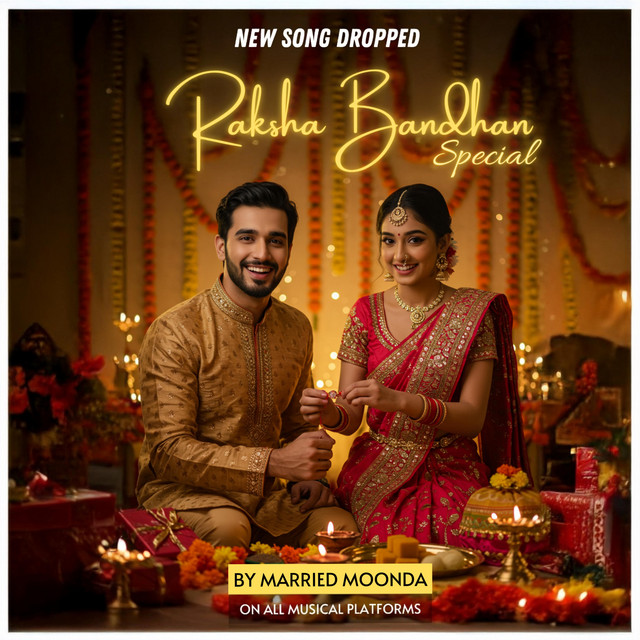
Pyar Bhari Ye Rakhi is written for Raksha Bandhan, but the emotional root of the two festivals is the same — a sister performing a ceremony for a brother, with a puja thali involved. This song is built entirely from the day's specific images: the colourful thread arriving on the thali, the gud and the laddoo, the teasing over a gift that falls short of expectations, the love that has never needed explanation. Playing it during the Bhai Dooj tilak is not a stretch. What it captures is the particular combination of reverence and irreverence that exists between siblings and nowhere else.
After the ceremony: childhood in the room
Once the tilak is done and the sweets have been distributed, there is usually a few hours of unstructured time. This is when the conversation moves to memories — the ones that only the two people in the room share, and that nobody else in the world finds as interesting.
Bachpan Ka Dost is about the specific ache of childhood friendships scattered by cities and years. The meaning is built around nostalgia, the fleeting nature of innocence, and the quiet longing that remains when life takes people in different directions. Siblings are the original version of this — the people from the same house and the same small disasters who now live completely separate lives. The song asks something about how you hold someone's whole history without it becoming a burden. That is a question this day raises without anybody saying so out loud.
The bond underneath the teasing
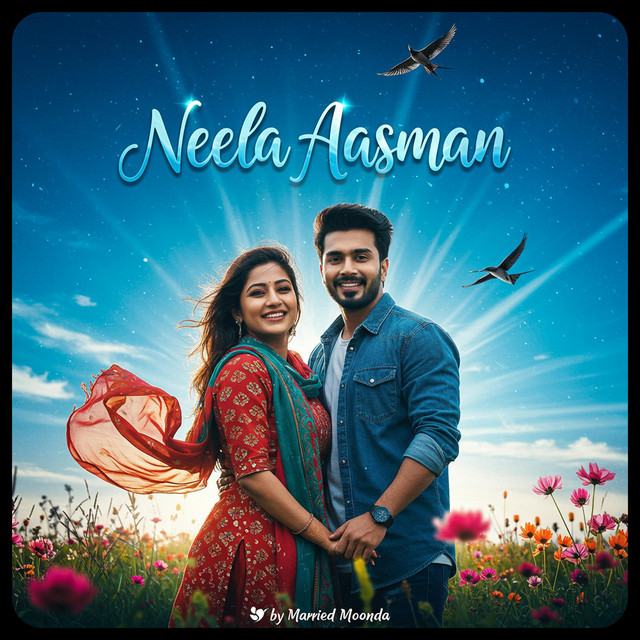
Aapni Yaari is about loyalty, shared memories, and the quiet support that shows up through storms rather than being announced before them. What makes it specific to Bhai Dooj is the distinction it draws between the kind of relationship you maintain and the kind that is simply there. Sibling bonds tend to be the second kind. You do not have to check in or earn the friendship; when it holds in adulthood, it holds in a different way than chosen friendships do, partly because you did not choose it. The song understands that distinction without overexplaining it.
The bittersweet layer
Adult siblings also carry a quiet grief that the Diwali season tends to bring out: the fact that the person in front of you is now also a stranger in certain ways. They have built a life you were not part of. The house they come from at Christmas or Diwali is now not the house you share.
Chintu Ki Shadi is about watching a close friend step into married life while the old companions look on, remembering shared adventures from a time that has since passed. The emotional pull is bittersweet nostalgia mixed with genuine happiness — the specific register of someone who loves you and also represents a chapter of life that is over. Any adult sibling who has watched the other one marry, move cities, or have children knows this shade precisely. Bhai Dooj makes it visible once a year by getting the two of you in the same room.
The evening: after dinner
The last part of Bhai Dooj, for families who spend the full day together, is usually the quietest. The sweets are almost gone, the relatives have called, and two people are sitting somewhere not quite ready for the day to end.
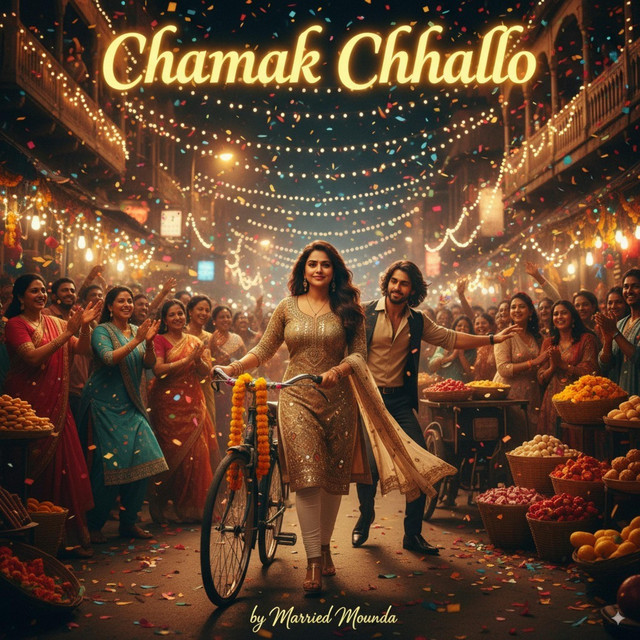
Dil Tere Naal is an evening-register song about unwavering devotion and the quiet joy found in everyday togetherness, with lines that move between Hindi and English in the way that adult siblings from most Indian families now actually talk to each other. Its meaning centres on distances not mattering when the connection is real — which is exactly the note that Bhai Dooj ends on, or should.
Why not the Bollywood sibling canon
The songs most associated with Bhai Dooj and Raksha Bandhan in Hindi films are almost all designed for weddings and family sequences — fast, collective, built for a crowd that already knows the words. They work well when there are twenty people in the room. They work less well when there are two, and the day has quieted down to something more specific.
The logic of the raksha bandhan guide at mygeetaibeat.com/blog/raksha-bandhan-songs-2026 applies here too: independent songs let the occasion belong to the particular siblings in the room rather than to a composite television version of what the relationship looks like.
The full list, in order
- Pyar Bhari Ye Rakhi — for the tilak and the thali
- Bachpan Ka Dost — for the afternoon and the shared memories
- Aapni Yaari — for the emotional centre of the day
- Chintu Ki Shadi — for the bittersweet layer
- Dil Tere Naal — for the evening
More songs in this register are at mygeetaibeat.com/mood/emotional.
Frequently asked questions
When is Bhai Dooj in 2026? Bhai Dooj 2026 falls on Wednesday 11 November. The Dwitiya tithi begins on Tuesday afternoon and extends into Wednesday, but the Aparahna muhurat for the ceremony is on Wednesday between roughly 1:30pm and 3:45pm. Some panchangs observe it on Tuesday 10 November; follow your family's calendar.
What is the difference between Bhai Dooj and Raksha Bandhan? Both celebrate the brother-sister bond. Raksha Bandhan centres on a rakhi thread tied by the sister, with the brother promising protection. Bhai Dooj is the sister applying tilak and the day is a little more focused on the two of them spending time together than on the ritual itself. Raksha Bandhan has a wider social reach; Bhai Dooj is usually a more intimate, family-centred day.
What songs are typically played on Bhai Dooj? Film songs from sibling-relationship sequences and folk songs associated with the tilak. Independent songs that carry the specific emotional texture of the day — nostalgia, loyalty, the bittersweet quality of adult sibling life — fit better once the ceremony is over.
Written by Anup Karanjkar — Married Moonda.
Sources: Bhai Dooj 2026 date and muhurat — Drik Panchang · Bhai Dooj 2026 date and tilak ceremony — Shubh Panchang