
Chhath Puja 2026 runs across four days from Friday 13 November to Monday 16 November, with the two central ceremonies — Sandhya Arghya on Sunday 15 November and Usha Arghya on Monday 16 November — involving the devotee standing in water to offer arghya to the setting and rising sun. The four days are Nahay Khay (13 Nov), Kharna (14 Nov), Sandhya Arghya (15 Nov), and Usha Arghya (16 Nov).
Of all the major Hindu festivals in the Hindi-belt calendar, Chhath is the hardest. The fast that runs from Sandhya Arghya until the following morning's Usha Arghya is nirjala — no water. The devotee stands in the river or pond as the sun sets on Sunday, holds the arghya offering, and does not eat or drink again until the sun has risen on Monday and the second arghya is complete. The music of Chhath has always been its own folk world — geet sung by women on the way to the ghat, at the water's edge, and on the return. That tradition is passed by voice and memory, not streaming platform. What I am writing about here is not a replacement for that music but a sequence for the quieter hours between rituals, for the household in the days before and after the ghat.
Nahay Khay: the ritual bath and the first meal
Nahay Khay — "bathe and eat" — is the opening day. The devotee bathes in a river or tank, cooks a simple meal using freshly harvested ingredients, and eats before sunset. The discipline begins here: the kitchen is cleaned, impurity is set aside, and the household aligns itself toward something more austere than the Diwali week that just ended.
Raat Ki Khamoshi Main is a night-register song about longing and the particular quality of darkness that forces honesty — the darkness here serving as a metaphor for the kind of inner clarity that a fast is supposed to produce. The meaning describes a night where the gentle breeze and the silence carry the speaker toward someone they love. On the first evening of Chhath, with the household settling into a more measured pace, this is the register the day ends on.
Kharna: the evening fast begins
Kharna is the second day. The devotee fasts through the day and breaks it in the evening with rasiyaw — rice cooked in milk with jaggery — and roti, eaten after a brief puja. After this meal, the 36-hour fast without water begins.
This is the emotional turning point of the festival: the evening of Kharna is both a last meal and a threshold. The songs for this hour should be peaceful but not escapist, devotional in the sense of being turned inward.
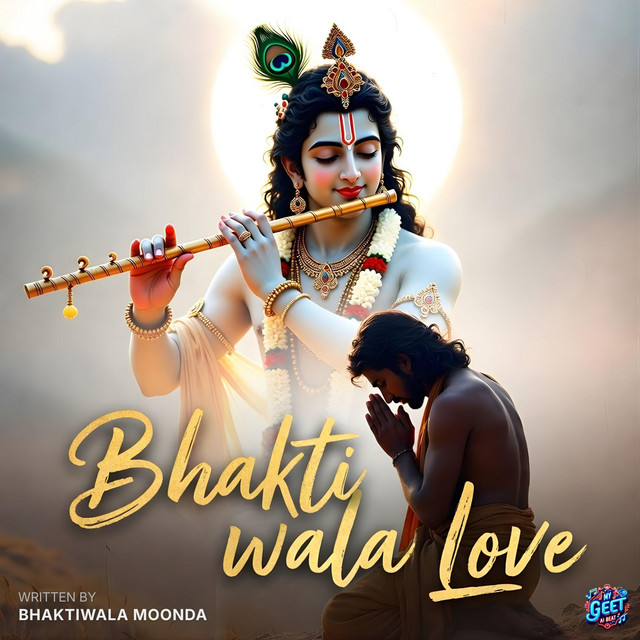
Bhakti Wala Love carries the meaning of spiritual devotion as a state of being — not a performance of religion but the experience of having broken free from the world's noise and being guided, instead, by a single melody that seems to come from everywhere. That is a reasonably accurate description of what the Kharna evening feels like from the outside: a person setting themselves apart from ordinary time.
Ehsaas Naya Sa is about a new feeling that cannot be explained — unable to sleep, constantly drawn to a thought, wondering whether this is what devotion feels like. The meaning is framed as romantic but the emotional state maps onto any experience of longing that you cannot quite name. The night before Sandhya Arghya, when the fast has begun and the household is quiet, has exactly that quality.
Sandhya Arghya: at the ghat as the sun sets
Sunday 15 November, late afternoon. The devotee arrives at the water with a bamboo soop containing the offerings — thekua, fruits, sugarcane — and stands facing the setting sun. This is the visual centre of Chhath that most people have seen in photographs: hundreds of people in rivers and tanks, the sky going orange behind them.
The traditional geet at the ghat are irreplaceable and are not mine to reproduce. But the walk to the ghat, and the hour after returning, have their own music.
Neela Aasman is a song about emotional healing, the search for inner peace, and the sky as a symbol for hope and vast possibility. The title means "blue sky" and the meaning is built around the Indian cultural register of the sky as something that holds you — that is always there even when you have lost your footing. Playing it on the walk to the ghat, before the formal devotional music begins, works because the song is already thinking about what the sky means.
The night between arghyas
After Sandhya Arghya the devotee returns home, but the fast continues through the night. There is no sleep for many devotees — they sit with the family, sometimes near a lamp or small fire, sometimes singing or listening to devotional songs through the dark.
Dil Da Sukoon is a song about finding complete serenity — turning ordinary moments into sacred experiences, the quiet of two hearts that have discovered what the other one is for. Its meaning is framed romantically but the word sukoon is one of the key words of the Chhath register: what the devotee is looking for, and what the fast is meant to produce. This song belongs in the hours between the two arghyas.
Usha Arghya: before dawn
Monday 16 November, before sunrise. The devotee returns to the ghat while it is still dark and waits for the first light. The second arghya is offered to the rising sun. When the sun is fully up, the fast breaks — usually with prasad, then the full first meal of the four days.
The hour of Usha Arghya is almost silent. The traditional geet resume at the water. Afterwards, when the family walks home together and the fast is broken, the day becomes ordinary again with unusual speed. By noon it is just Tuesday.
The wider peaceful catalogue
More songs in the peaceful and devotional registers are at mygeetaibeat.com/collections/devotional-bhakti-songs and mygeetaibeat.com/mood/peaceful.
The full list, in order
- Raat Ki Khamoshi Main — for Nahay Khay evening
- Bhakti Wala Love — for the Kharna evening
- Ehsaas Naya Sa — for the fast night
- Neela Aasman — for the walk to the ghat
- Dil Da Sukoon — for the night between arghyas
Frequently asked questions
When is Chhath Puja in 2026? Chhath Puja 2026 spans four days: Nahay Khay on Friday 13 November, Kharna on Saturday 14 November, Sandhya Arghya (the evening offering to the setting sun) on Sunday 15 November, and Usha Arghya (the morning offering to the rising sun) on Monday 16 November.
How long is the Chhath Puja fast? The main fast — nirjala, without water — runs from the evening of Kharna (Saturday 14 November) through Usha Arghya (Monday 16 November morning), approximately 36 hours. It is one of the strictest fasts in the Hindu calendar.
Who celebrates Chhath Puja? Chhath is primarily observed in Bihar, Jharkhand, eastern Uttar Pradesh, and the Madhesh region of Nepal, as well as by communities from these states living across India and abroad. It is dedicated to Chhathi Maiya (the sixth manifestation of Devi) and the sun god Surya, and is unusual among major Hindu festivals in having no caste distinctions — the ghat is open to everyone.
Written by Anup Karanjkar — Married Moonda.
Sources: Chhath Puja 2026 dates and arghya timings — Hindutone · Chhath Puja 2026 vidhi — Shubh Panchang