Sharad Navratri 2026 runs from Sunday 11 October to Monday 19 October, nine nights dedicated to nine forms of Goddess Durga. If you have already read the garba and playlist guide at mygeetaibeat.com/blog/navratri-2026-garba-songs-playlist-guide, this post does something different: it does not cover the playlist structure for the night, it covers the nine-colour tradition and what songs from this catalogue match each day.
The nine-colour tradition is worth a brief note before the list. Wearing a specific colour each day of Navratri is a popular contemporary practice — it appears in media coverage and is widely followed, especially in Gujarat and urban North India. It is not a vedic injunction; the sequence changes each year because it is derived from which day of the week the festival begins on. For 2026, with Navratri starting on a Sunday, there is broad agreement across sources on the list below. I found no major disagreements between the sources I checked. The colours match the Navadurga forms in their traditional sequence, and each colour carries an associated mood or quality.
Day 1, Sunday 11 October — Orange (Maa Shailaputri)
Orange: warmth, bold energy, the beginning of something. The first night of Navratri tends to draw the broadest crowd — people who come every year and people who come once. It needs accessible energy.
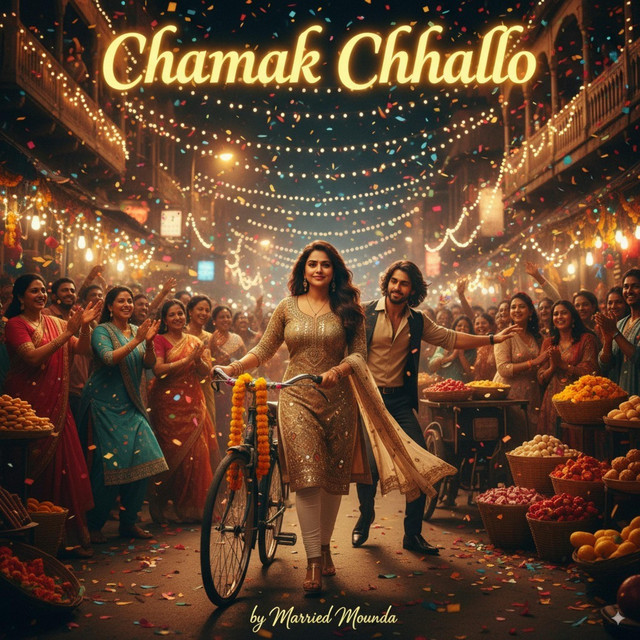
Chamak Chhallo is a song about a captivating, dazzling presence — someone whose walk and style hold the floor before they say a word. Its meaning is built around the mesmerising quality of a specific person in a crowd. On the first night, when the garba ground is full and the energy is running high, this is the song that names what orange looks like when it moves.
Day 2, Monday 12 October — White (Maa Brahmacharini)
White: purity, stillness, the second night which pulls back slightly from the opening energy.
Raat Ki Khamoshi Main is a quiet night song — the darkness, the gentle breeze, the kind of longing that only shows up when everything else is still. Its meaning is centred on a person whose presence the speaker carries even through silence. White Navratri is the colour of Maa Brahmacharini's austerity; this is the song for the person who lights the lamp and sits with the sound off.
Day 3, Tuesday 13 October — Red (Maa Chandraghanta)
Red: passion, courage, the full-force colour. Day 3 is when the Navratri crowd has settled into its regulars and the energy can go deeper.
Paas Aane De is a song about the last bit of distance between two people who both already know. The meaning describes the moment before contact — time stops, the speaker hides from himself in her, and the only question left is whether she is a drug or a destiny. Red is the colour of something you cannot walk away from. This is the song for that feeling.
Day 4, Wednesday 14 October — Royal Blue (Maa Kushmanda)
Royal blue: depth, calm power, the colour of deep water and clear sky. Maa Kushmanda is the goddess who created the universe with a smile — she is expansive rather than fierce, and her colour reflects that.
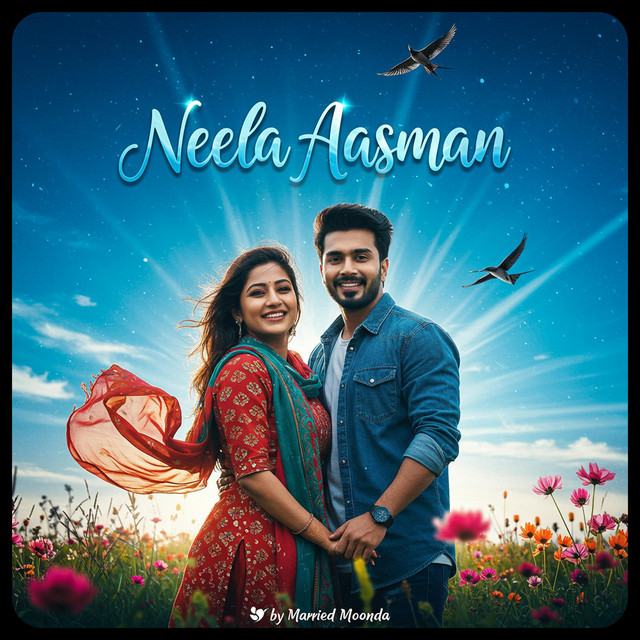
Neela Aasman is a song about the sky as a symbol for hope and vast possibility. Neela literally means blue; the meaning is built around the sky as something that holds you when you have lost your footing — always there, always large. Royal blue Navratri is the day this song was waiting for.
Day 5, Thursday 15 October — Yellow (Maa Skandamata)
Yellow: joy, warmth, the brightness of marigolds that decorate every puja in India. Day 5 falls on a Thursday this year, often the night when families with children attend.
Aapni Yaari is about loyalty, shared memories, and the kind of warmth that does not need to announce itself. Its meaning is built around the bond that shows up through storms rather than being promised before them. Yellow Navratri is the colour of that warmth — the marigold at the door, the person who was just there. This song belongs in the middle of Navratri when the festival is no longer new and the people still showing up are the ones who actually mean it.
Day 6, Friday 16 October — Green (Maa Katyayani)
Green: growth, nature, new beginnings. The sixth night is the last of the "regular" nights before the final three build toward Ashtami.
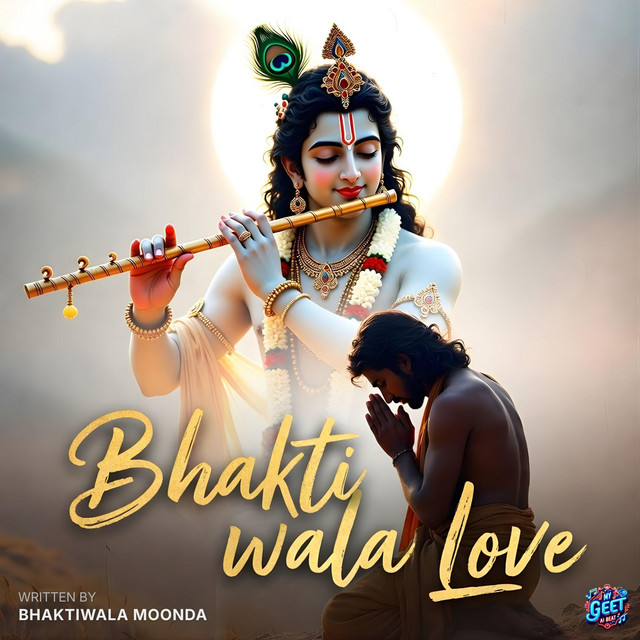
Bhakti Wala Love is about a state of spiritual devotion — broken free from the world's noise, guided by a single melody that resonates everywhere. Its meaning describes growth of the interior kind: the person who has stopped chasing and started listening. Green is not a peaceful colour so much as a living one, and this song understands the difference.
Day 7, Saturday 17 October — Grey (Maa Kalaratri)
Grey: the shadow side of the nine nights. Maa Kalaratri is the fierce form — dark, formidable, the one who destroys evil by confronting it. Grey is a difficult colour to match with music, because its mood is complex: neither happy nor sad but something more specific.
Main Kho Gaya is a song about being unable to move on from the memory of someone — lost in their image, unable to return to ordinary life. Its meaning is unflinching about the state of being stuck: the person is not mourning, not processing, just absent from their own life for a while. Kalaratri is not a comforting goddess. She does not offer consolation; she offers truth. This song understands that.
Day 8, Sunday 18 October — Purple (Maa Mahagauri)
Purple: devotion, mystery, the colour of Ashtami which is the climax of the nine nights. Durga Ashtami is when the puja goes deepest and the crowd comes back.
Majha Krishna Re is a Marathi devotional song — "my Krishna" — built around a personal, intimate relationship with the divine rather than a formal one. Its meaning is about the affectionate closeness that the word "majha" (mine) implies: not the god who is worshipped from a distance, but the one you call by a familiar name. On Ashtami evening, when the puja is most intense and the crowd is most devotionally engaged, this is the register that belongs there.
Day 9, Monday 19 October — Peacock Green (Maa Siddhidatri)
Peacock green: the most elegant and specific of the nine colours, the colour of completion, of the tail-fan of a peacock on a wet monsoon morning. The last night of Navratri draws a different crowd from the first — people who have been present all nine nights and people who arrive for the ending.
Meethi Si Dhoop Aur Tera Saath is a love song with no drama in it at all — no longing, no separation, just an afternoon that the narrator does not want to end. Its meaning is about the quiet elegance of an ordinary moment held in someone else's company: small domestic images, filtered light, the kind of happiness that does not need anything added to it. Peacock green is exactly this: not spectacular but perfect, the last colour because it has no need to compete with the ones before it.
A note on sources
The day-colour list above follows the sequence published by Hindutone and Free Press Journal for Navratri 2026 starting on Sunday 11 October. This sequence applies specifically to 2026; it changes each year based on the day the festival begins.
The full list, in order
- Day 1, Orange: Chamak Chhallo
- Day 2, White: Raat Ki Khamoshi Main
- Day 3, Red: Paas Aane De
- Day 4, Royal Blue: Neela Aasman
- Day 5, Yellow: Aapni Yaari
- Day 6, Green: Bhakti Wala Love
- Day 7, Grey: Main Kho Gaya
- Day 8, Purple: Majha Krishna Re
- Day 9, Peacock Green: Meethi Si Dhoop Aur Tera Saath
For the full guide to garba playlist structure across the nine nights, including how to sequence the four gears of a Navratri night, see mygeetaibeat.com/blog/navratri-2026-garba-songs-playlist-guide.
Written by Anup Karanjkar — Married Moonda.
Sources: Navratri 2026 nine colours — Hindutone · Shardiya Navratri 2026 colour list — Free Press Journal · Navratri 2026 colours — Gulf News