Luka Chuppi is a poignant expression of the pain of separation and the longing that remains between a mother and child. The song conveys a deep sense of nostalgia and melancholy, capturing the essence of unconditional love. It's a heartfelt reflection on the sacrifices made in life and the memories that linger.
What does "Luka Chuppi" mean?
The song Luka Chuppi is a masterful blend of emotions, evoking a sense of deep longing and nostalgia. The vocals, paired with the soul-stirring composition, create a sense of yearning that resonates profoundly with listeners. The song's themes of innocence lost and the harsh realities of life are woven together with the timeless tradition of lullabies, reimagined for adult reflection. This creates a sense of catharsis, offering solace to those who have experienced parental loss or separation. The song's cultural significance lies in its ability to connect generations through its heartfelt narrative, making it a cherished gem in Indian music.
The composition of Luka Chuppi is a testament to A.R. Rahman's genius in blending classical elements with contemporary cinema. The song's use of metaphor, such as the moon teasing the stars, adds a layer of depth to the emotions being conveyed. The repetition of the phrase "hide and seek has gone on too long" becomes a haunting refrain, emphasizing the pain of separation and the desire for reunion. The song's emotional depth is further enhanced by the memories of a mother's love, which linger in every moment and instant.
In the context of the film Rang De Basanti, Luka Chuppi serves as a poignant underscore to the protagonist's internal turmoil and revolutionary awakening. The song links personal grief to patriotic fervor, creating a sense of connection between the individual's experience and the broader national narrative. Overall, Luka Chuppi remains a powerful and emotional song that resonates with listeners on a deep level, offering a sense of solace and catharsis in times of loss and separation. The song's ability to evoke strong emotions and create a sense of connection makes it a timeless classic in Indian music.
Key Words & Phrases, Explained
- Luka Chuppi (लुका छुपी) — Literally "hide and seek", a game of concealment and revelation, originating from traditional children's play. In Luka Chuppi, it symbolizes the yearning for a lost loved one, and the pain of a prolonged separation.
- Chandni (चाँदनी) — Literally "moonlight", from Sanskrit chandra, meaning moon, describing the soft glow of the night. In Luka Chuppi, it represents a gentle, guiding presence, much like a mother's love, that teases and comforts.
- Maaye (माये) — Literally "in mother's", from Sanskrit matr, meaning mother, denoting a place of safety and nurturing. In Luka Chuppi, it signifies the longing for the security and warmth of a mother's embrace.
- Sapne (सपने) — Literally "dreams", from Sanskrit swapna, meaning dream or vision, representing the subconscious mind's creations. In Luka Chuppi, it highlights the loss and disconnection from one's inner world, where memories of loved ones reside.
- Yaadein (यादें) — Literally "memories", from Arabic yad, meaning remembrance, describing the recollection of past experiences. In Luka Chuppi, it underscores the power of memories in evoking emotions and connecting with loved ones who are no longer present.
- Khwaab (ख्वाब) — Literally "dream" or "vision", from Persian khwab, meaning dream, representing the realm of the imagination. In Luka Chuppi, it signifies the elusiveness of dreams and the blurring of reality and fantasy in times of longing.
The Song & Its World
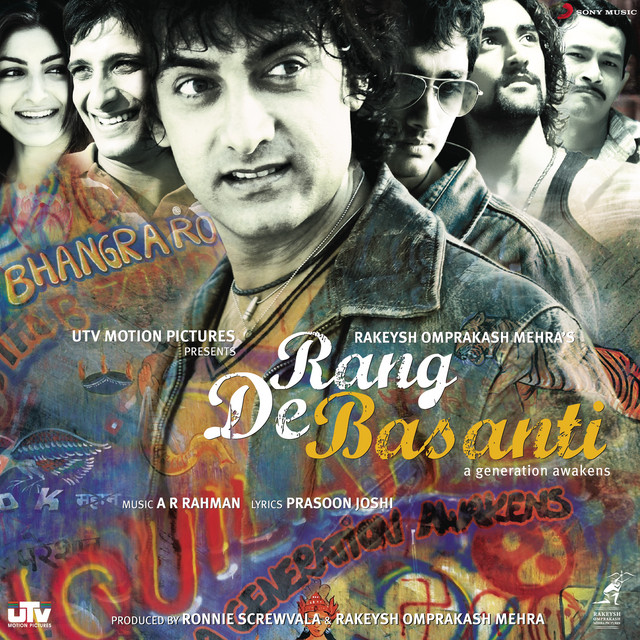
Luka Chuppi is a heartfelt song from the 2005 film Rang De Basanti, composed by A.R. Rahman and sung by the legendary Lata Mangeshkar. The song is a masterpiece that captures the emotions of separation and longing between a mother and child. It is a cultural gem that connects generations through its narrative, evoking deep nostalgia and melancholy. When listeners are feeling nostalgic or have experienced parental loss or separation, they often reach for Luka Chuppi as it offers solace and catharsis. The song is also a reflection on familial bonds and sacrifice, making it a perfect fit for anyone who values maternal devotion. In the context of the film, Luka Chuppi underscores the protagonist's internal turmoil and revolutionary awakening, linking personal grief to patriotic fervor.
The song's beauty lies in its emotional depth, which is brought to life by Lata Mangeshkar's ethereal voice and A.R. Rahman's soul-stirring composition. The blend of classical elements with contemporary cinema is a testament to Rahman's genius. Fans of meaningful Hindi music cherish Luka Chuppi for its ability to evoke strong emotions and create a sense of connection. The song's themes of innocence lost and unconditional love are timeless, making it a treasure that continues to resonate with listeners.
The cultural significance of Luka Chuppi cannot be overstated. It represents the Indian tradition of lullabies reimagined for adult reflection, highlighting the importance of maternal devotion and familial bonds. The song is a reflection of the nation's values and is often sought out by listeners who are looking for a deeper understanding of Indian culture. With its rich lyrics and soaring melody, Luka Chuppi is a must-listen for anyone who appreciates meaningful music.
Read the Full Lyrics & Translation
For the complete song — the original lyrics, a full line-by-line English translation, and more on the meaning — read our Luka Chuppi lyrics and translation page. Reading along while you listen makes every line land.
Explore More Song Meanings
For more of the words behind Hindi songs, see our glossary of common Hindi and Urdu words in Bollywood songs, and browse hundreds more translations in our lyrics library.