Toh Phir Aao is having its second life. The 2007 Awarapan ballad — for years the definitive Emraan Hashmi heartbreak song — is back at the centre of attention because Awarapan 2 (August 2026) rebuilt it, with a new composer, a new voice, and a very public absence.
What does "Toh Phir Aao" mean?
The title translates as "then come back" — and the whole song lives inside that conditional. It is not a demand and not quite a hope; it is the bargain a grieving person strikes with an absence. If any of it meant anything, then return. The verses circle the emptiness someone left behind, and the hook keeps extending the same invitation to a person who may never take it.
That register — devotional longing addressed to a human being — is what made the original a cult song rather than just a hit. It plays like a prayer that knows it won't be answered.
The original (2007)
- Film — Awarapan, starring Emraan Hashmi
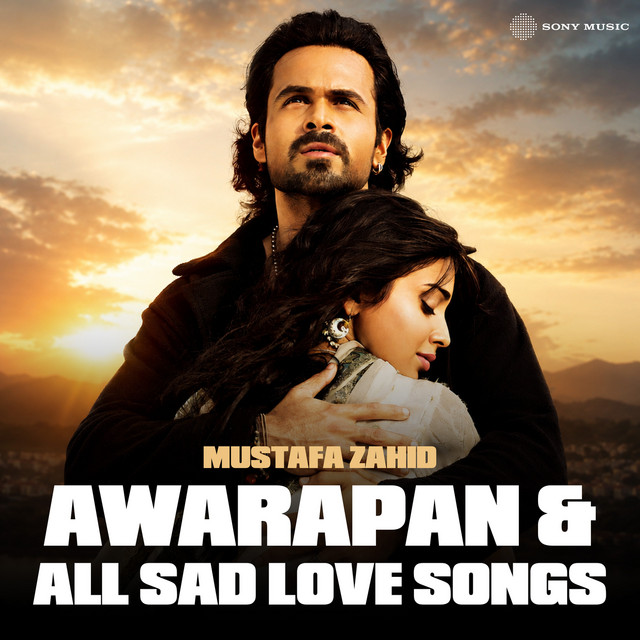
- Voice — Mustafa Zahid, the Pakistani singer whose career the song effectively launched
- Music — Pritam · Lyrics — Sayeed Quadri
Mustafa Zahid's slightly raw, unpolished delivery is inseparable from the song's identity — it sounds like someone actually falling apart, not performing it.
The 2026 version — and the controversy
For Awarapan 2 (Emraan Hashmi, Disha Patani), Amaal Mallik recreated the track — he has called it the best song of his career — with newcomer Subodh Sharma singing it. Mustafa Zahid is not on the album, and said publicly it was "unfortunate" not to be part of it. That absence is half of why the song is trending: every comparison thread is really asking whether the new voice can carry the old wound.
The film itself opened big — ₹21.5 crore day one, past the original Awarapan's lifetime total — which keeps both versions circulating side by side.
Which version should you hear?
Both, in order. The original for the voice; the 2026 Dobara version for what a bigger production does to the same melody. Our pages cover the family:
- Toh Phir Aao (original) — meaning and song guide
- Toh Phir Aao 2.0 (Dobara) — the Awarapan 2 version
- Lounge version and more in the lyrics library
This article discusses the song and its context. It does not reproduce the lyrics.