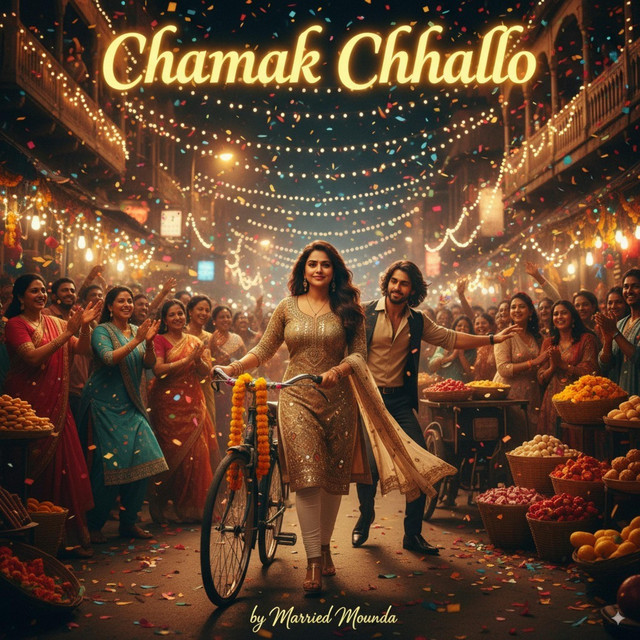
Eight original Marathi songs sit in the Married Moonda catalog (five released in 2026, three in late 2025), spanning devotional bhakti, playful family themes, and folk-dark urban storytelling — all available on Spotify and with lyrics pages on this site.
Maharashtra's Marathi music tradition is ancient and extremely specific. The warkari bhajan lineage that runs from Pandharpur, the Puneri street humour that belongs nowhere else, the nonsense-rhyme children's chants that darken in the right hands — these are registers that don't translate. What follows is a guide to how these eight independent releases sit across those moods, with a note on the traditional aartis on the site for listeners looking for both.
Devotional: Vitthal, Krishna, and the warkari tradition
The strongest cluster in this catalog is the bhakti section, anchored by two Pandharpur-facing songs.
Majha Vitthu Mauli Re addresses Vitthal — the form of Vishnu worshipped at Pandharpur — in the register of the warkari tradition. Vitthu is the affectionate short form; Mauli, meaning "mother", is how the warkari community addresses the deity with a particular intimacy that is specific to the tradition. The subtitle — dil ko sukoon dene wala geet, a song that brings the heart peace — describes the emotional register accurately. The song sits on the same shelf as the traditional abhangas, but as a 2026 release from an independent artist rather than a centuries-old text.
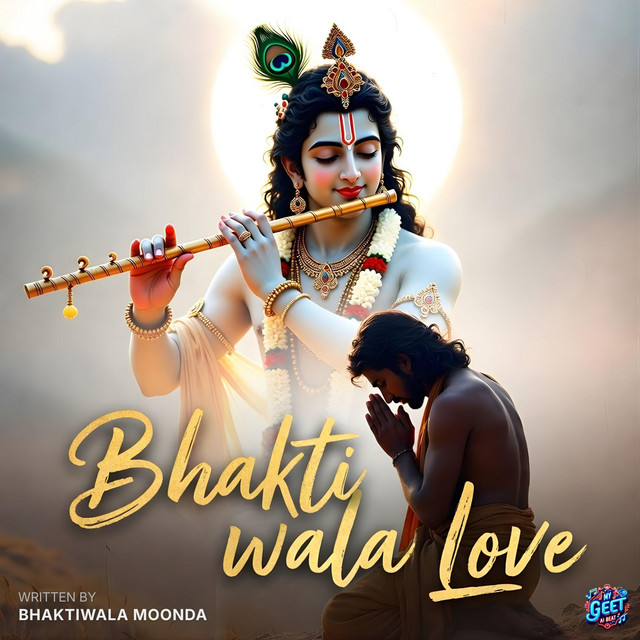
Majha Krishna Re uses the same direct Marathi address — majha, my; re, the vocative — but shifts from Vitthal to Krishna. The meaning describes it as "heart-touching divine vibes", and the song belongs to the same album, Bhakti wala love, released 2 January 2026.
Kartiki Ekadashi 2026 falls on Friday 20 November (Smarta observance) or Saturday 21 November (Vaishnava observance), according to Drik Panchang as cited by hindutone.com. This is the Kartiki Wari — the Pandharpur pilgrimage that draws lakhs of varkaris every year and is considered the most auspicious time to sing Vitthal bhajans. Both songs sit naturally in the days around that date.
Govinda Aala Re takes a different entry point into Krishna bhakti: the Dahi Handi energy of Janmashtami. The Marathi lyrics are direct — "हात मातीला, नजर हंडीला" (hands to the earth, eyes on the earthen pot) — and the meaning describes the arrival of Govinda as a metaphor for inner peace arriving after personal storms. It is a contemporary reimagining of the "Govinda" chant rather than a literal Dahi Handi song, and it works in both registers.
Devotional: Ganpati
Ganpati Bappa Morya is the most directly festive song in this catalog. The lyrics build on the two most-repeated phrases of Ganesh puja — "Ganpati Bappa Morya" and "Mangal Murti Morya" — and carry the seasonal wish "Pudhchya varshi lavkar ya" (come early next year). The emotional register is celebration rather than petition. Ganesh Chaturthi 2026 is in September and Anant Chaturdashi in late September; this song belongs to that entire stretch of the season and comes back round every year.
More on the devotional mood is at mygeetaibeat.com/mood/peaceful.
Playful and dance
Maharashtra's folk tradition includes a whole register of songs that are genuinely funny without trying to be cute about it — comedy that comes from a specific social observation rather than a punchline. Two 2026 releases land in this space.
Papacha Ladka is a father's song about a small son, structured around the alphabet the boy is being taught. The opening verse — "A for Apple, B for Ball, C for Cute, majha pillu chhaan / Papa cha tu laadaka / Aahes thoda naataka" (you're Papa's favourite, and a little bit of a drama king) — sets the tone: warm, precise, and fully grounded in what it feels like to watch a small child be exactly that child. The meaning notes that dad asks "whose son are you?" and the boy says "Mummy's" — which is the joke, and also true.
Aaring Miring takes the classic Marathi counting-out rhyme used by children to pick who is "it" — words with no literal meaning, only the shared understanding of what they do — and refuses to let it stay innocent. The meaning describes how it uses that childhood framework to build toward something darker and more unsettled. It belongs to the playful mood on the surface and earns a second listen.
Folk-dark: Pune streets
This is the sharpest corner of the Marathi releases, and the most specific to a place.
Dupari Ek Te Char is built on the Puneri paati — the famously blunt notice board you find outside a shop or wada in Pune, written in a register that is simultaneously polite and completely unambiguous about your options. The song opens with "Puneri paati vachli nahis ka shhaanya?" (didn't you read the Puneri notice, smart guy?) and the meaning describes how that premise — a midday quiet that hides something wrong — becomes steadily more unnerving. It is a folk-horror register done with full commitment to the local form.
Virtual Veda moves the same Marathi sharpness into a corporate office. The opening line — "Meeting च्या जंगलात, मी एकटाच राजा" (in the jungle of meetings, I am the lone king) — sets up a song about the digital workday as absurdist endurance: muted on calls, inbox full, the same person running as both the employee and the boss bichara. It is entirely in Marathi and genuinely funny.
The traditional aartis
For listeners who arrived here looking for devotional Marathi text rather than original songs, this site carries three traditional Marathi aartis in full: Sukhkarta Dukhharta (Ganesha, composed by Samarth Ramdas), Ghalin Lotangan (the closing prayer of Pandharpur puja, both Marathi and Sanskrit), and Yei O Vitthale (a Vitthal aarti in Marathi). These are sourced texts, not AI-written versions, so they carry what is actually recited rather than what an algorithm guesses the verse might be.
The full list, in order
- Majha Vitthu Mauli Re — devotional, Vitthal, warkari register
- Majha Krishna Re — devotional, Krishna, bhakti
- Govinda Aala Re — devotional, Janmashtami energy, contemporary
- Ganpati Bappa Morya — festive, Ganesh Chaturthi season
- Papacha Ladka — playful, father and son
- Aaring Miring — playful-dark, children's rhyme
- Dupari Ek Te Char — folk-dark, Puneri
- Virtual Veda — folk-satire, corporate Marathi
Frequently asked questions
When is Kartiki Ekadashi 2026? Kartiki Ekadashi 2026 falls on Friday 20 November (Smarta observance) or Saturday 21 November (Vaishnava observance). The date comes from Drik Panchang, cited in a detailed guide at hindutone.com. At Pandharpur, the date used by the Vitthal-Rukmini temple may differ from general panchang listings, so confirm with the Maharashtra Hindu calendar or your family's panchang before planning a trip or fast.
Are these songs actually in Marathi? Every song in this list was verified against its lyrics before being included here. Songs with a Marathi title but Hindi lyrics were excluded. Virtual Veda, Dupari Ek Te Char, Aaring Miring, and Papacha Ladka are sung in Marathi. The Vitthal, Krishna, and Govinda songs are in Marathi and were released under the devotional alias used for the bhakti catalog. Ganpati Bappa Morya mixes Marathi devotional chant with a few Hindi lines in the middle section.
What is the difference between a new Marathi devotional song and a traditional aarti? An aarti is a fixed ritual text — Sukhkarta Dukhharta has been sung the same way since Samarth Ramdas wrote it in the seventeenth century. A new devotional song like Majha Vitthu Mauli Re borrows the same emotional register and the same deity but is an original composition. The aartis on this site carry the traditional text; the lyrics pages carry the new songs. Both serve different moments within the same occasion.
Written by Anup Karanjkar — Married Moonda.
Sources: Kartiki Ekadashi 2026 date and Pandharpur Wari guide — hindutone.com · Kartika month festivals calendar — Drik Panchang